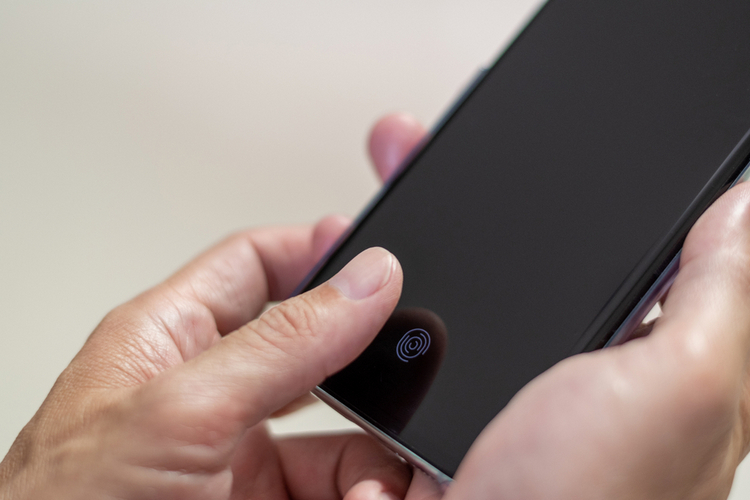
Galaxy S11 May Not Use Ultrasonic Fingerprint Scanner Following Security Scare

With leaks about the Galaxy S11 becoming more of a torrent in the run-up to the device’s launch next year, a new report now suggests that Samsung might ditch a popular feature from its next-gen flagship smartphone following a recent security scare. According to Mashable, Samsung Securities analyst, Lee Jong-wook, has claimed that the South Korean company may ditch the in-display ultrasonic fingerprint scanner in favor of other biometric authentication protocols in the Galaxy S11 lineup.

Samsung is said to be mulling the extreme step following reports that the ultrasonic fingerprint scanners in the Galaxy S10 were authenticating any fingerprint when the display had a simple screen-protector installed. While Samsung was quick to fix this issue, the problem created a major headache for both the company and end-consumers after many financial and security applications proactively blocked the use of the fingerprint scanners on the affected phones, forcing people to use pins or patterns for their own security.

While the blog goes on to speculate that Samsung might resort to hardware-based facial recognition (a la Apple) instead of fingerprints in its Galaxy S11-series devices, it would be interesting to see if the company will, indeed, implement a new biometric process following the security scare with another.

That being the case, it won’t be a major surprise if the company goes back to optical in-display scanners, or even use the tried and tested physical fingerprint scanners in its next-gen flagship smartphones. Both will be financially more viable for Samsung as well, given that it will be able to buy the hardware from South Korean or Chinese suppliers at lower rates than having to pay higher prices to Qualcomm.

Comments

Popular posts from this blog

iPhone 12 to Have 5nm Processor, Qualcomm’s X55 5G Modem: Report

Apple is all set to launch its first 5G iPhones next year, and a new report out of Japan now claims that they will ship with Qualcomm’s X55 5G modem under-the-hood. According to multiple sources quoted by the Nikkei Asian Review , at least three of the devices the company will launch next year, will ship with 5G connectivity. “It will be the first time Apple introduces 5G iPhones … There will be three of them and the company has set an aggressive sales target” , said one of them. As per the report, the next-gen iPhone lineup will be powered by the A14 chip that will use the 5nm technology, making it significantly more power efficient than its predecessor, the A13 Bionic, found on the current-gen iPhone 11 lineup. At least two of the three new phones will also have what the report called ‘flexible’ OLED displays, although it’s not immediately clear what it meant by that term. In addition, Apple is also developing a new ‘3D-sensing rear-camera’ that is said to be able to “sense t...

Windows 10 Insider Build 19013 Adds Power Toys, New Kaomoji, and More

Microsoft has already pushed the near-final release version of the Windows 10 November 2019 Update and is now focusing its efforts on the next major 20H1 update. We’ve been keeping track of the new features being tested with Insiders for some time now and well, the latest build, number 19013, brings improvements to the Linux subsystem, emoji tray, and Your Phone features. The highlights of Insider Build 19013 is the return of Power Toys. They’re special utilities that were made popular in the Windows 95 and Windows XP era, but had been nixed to make way for new features over the past few years. Well, they’ve now made a return to Windows 10 20H1 Insider builds this month, starting with 2 features, PowerRename and FancyZones. While PowerRename makes it possible for users to rename files in bulk, the FancyZones feature lets you drag apps into defined target positions on your PC. You can take a close look at the FancyZones feature right here . Apart from this, the Windows subsystem f...

Samsung Launches Galaxy Labs; an App Suite to Help Optimize Your Phone

Though OneUI 2 is set to bring along a number of changes to Samsung’s Galaxy phones, the company has today released a new suite of device optimization apps. Dubbed Galaxy Labs, it’s offering users access to 4 apps, including a file restoration app, battery tracker and optimizer, and an app booster. All of these four apps live under Galaxy Labs, similar to the “Device Care” feature on the company’s OneUI-powered devices. Let’s talk about each service under this app, starting with File Guardian. It’s going to serve as one of the most used and important apps in the Galaxy Labs suite as it will help recover permanently deleted files from your internal, as well as external storage. Next up, we have Battery Tracker and Battery Guardian apps. The name of these 2 apps are enough to tell you what they do. While the former gives you an in-depth look at the device’s battery usage (more detailed in comparison to the in-built battery tracker), the latter only checks if existing battery optimiza...